

 Written by Rana
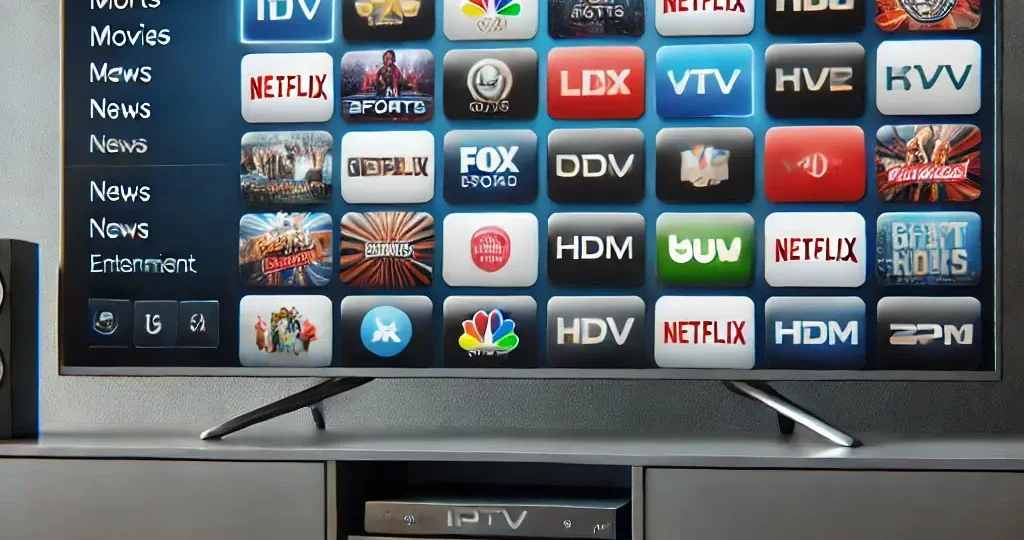
No, IPTV does not include every channel that exists: the lineup varies by provider, based on each service’s licensing agreements, your region, and your plan tier. A quality provider for IPTV in Canada like Mode IPTV still comes remarkably close, with over 15,000 live channels plus movies and series on demand, covering the overwhelming majority of what most households watch.
This guide explains exactly what channels IPTV includes, why lineups differ between providers, whether you get local Canadian channels, how HD channel availability works, and how to verify a lineup before you pay.
The honest starting point is that no single TV service on earth carries every channel, and IPTV is no exception. Channel availability is shaped by licensing agreements and geographic restrictions, the same forces that limit traditional TV. Each provider negotiates its own terms with content owners, which means the same channel can be available with one provider and absent from another.
What IPTV does deliver is scale: where a Canadian cable plan includes 100 to 300 channels, IPTV services routinely offer thousands. So the practical question is not “does IPTV have everything” but “does this specific provider carry the channels my household actually watches.” The rest of this guide shows you how to answer that before subscribing.
A quality IPTV subscription bundles several content types into one package:
The mix varies by provider and plan, which is why evaluating the actual channel list matters more than the headline channel count.
Licensing is the main reason two IPTV services never have identical lineups. Every provider brokers its own agreements with content owners, and those agreements dictate which channels appear, in which regions, and at what quality. Geography adds a second layer: some channels are cleared for certain regions only, similar to the restrictions traditional broadcasters work under.
Your subscription tier adds the third layer. Higher plans generally unlock additional channels, more connections, and better quality versions of the same networks. If a specific channel is essential for you (a regional sports network, a particular international broadcaster), confirm it is present in the exact plan you intend to buy, not just somewhere in the provider’s catalogue.
Yes, reputable IPTV providers include the major Canadian local and regional channels in their standard packages: national networks, local news affiliates, and French-language programming. Availability of smaller community channels varies more, since regional access depends on content licensing for each market.
Two practical tips for Canadian viewers: verify your specific local affiliates during the free trial rather than assuming, and if hyper-local community programming matters to you, an inexpensive antenna for over-the-air broadcasts pairs well with IPTV and fills that gap completely legally.
No, not all channels on IPTV are in HD. Providers typically carry a mix of SD and HD feeds, and the highest-quality HD versions of premium networks are sometimes reserved for upper-tier plans. The pattern user reviews consistently report: major mainstream channels are available in high definition and look excellent on Smart TVs and streaming sticks, while some niche or regional channels remain in standard definition because the original source feed itself is SD. No provider can deliver a channel in better quality than the source broadcasts it.
4K is the growing exception at the top end. Premium services now carry a meaningful and expanding selection of 4K channels and on-demand titles, though ultra-HD remains a minority of any lineup today.
Advertised HD only becomes HD on your screen when four factors line up:
The practical takeaway: the same subscription can look different in two homes, and the differences usually trace to connection and hardware rather than the service.
The channel list, not the channel count, tells you whether a provider fits your household. Before paying:
A provider that cannot or will not show you its lineup before purchase has answered your question already.
IPTV wins the channel comparison for most viewers, and it is not close. Cable offers a stable lineup locked in by long-standing contracts, but that stability comes with limits: a few hundred channels, fixed bundles full of filler, and premium or international content billed as costly add-ons.
IPTV flips the model: thousands of channels, international content included rather than upsold, on-demand libraries built in, and the same subscription running on your TV, phone, and tablet. The one honest caveat is that a specific niche channel guaranteed on cable may or may not appear in a given IPTV lineup, which is exactly why the verification step above exists. For overall selection, flexibility, and value per dollar, IPTV’s advantage is decisive.
A great lineup deserves a setup that shows it properly:
Channel quality and variety are both moving in one direction. Expect a continuing influx of HD and 4K content as providers upgrade infrastructure, smarter personalization that surfaces the channels you actually watch, and steady growth in international and niche offerings that serve every interest. Industry analysts have projected the global IPTV market above $115 billion, growth that funds exactly these improvements.
For Canadian viewers the trend is simple: the gap between what IPTV carries and what any household could want keeps shrinking, and the quality of what is carried keeps rising.
Open your player app’s full channel list or category view, where channels are grouped by country and genre. If groups seem missing, refresh the playlist, check that your plan includes those packages, and confirm any parental or category filters are not hiding them.
Raw counts vary from a few thousand to 15,000 or more, but the count alone is a poor guide. Compare lineups on the categories you watch, the share of channels in HD, stream stability, and sports coverage. A curated, stable 10,000-channel service beats a 20,000-channel list where a third of the entries fail.
Yes, reputable providers carry the major national and regional Canadian channels, including French-language programming. Verify your specific local affiliates during a free trial, since regional licensing varies.
Typically thousands of live channels across all categories, an EPG guide, a video-on-demand library, and a set number of simultaneous connections. Exact contents depend on the provider and plan tier, so review the package details before buying.
Not always. “HD” spans 720p and 1080i as well as Full HD 1080p, and the delivered sharpness also depends on the channel’s bitrate, the source feed, and your connection. Providers that list resolution per channel make this easy to verify; the trial confirms it on your own screen.
Because the original source feed is SD. No provider can improve on the quality the broadcaster supplies, which is why some niche and regional channels remain standard definition even on premium services.
Internet delivery removes the capacity limits of cable infrastructure, so providers can carry vast libraries through streaming servers and content agreements. The experience still depends on the provider’s server quality, your connection, and your device.
The technology and HD delivery are fully legal. What matters is licensing: providers holding proper distribution rights operate lawfully, while services streaming content without authorization do not. Choose transparent providers with clear terms, secure payment, and real support.
You do not get literally every channel with IPTV, and no honest provider claims otherwise. What you get is far more than cable offers: thousands of live channels, the major Canadian networks, international packages, sports coverage, and on-demand libraries, with most mainstream channels in genuine HD and a growing 4K selection at the top end. The variables that decide your experience are knowable in advance: the provider’s licensing and lineup, your plan tier, your internet speed (25 Mbps for HD, 50 for 4K), and the device on your TV stand. Check the actual channel list for your must-haves, weigh the share of HD rather than the raw count, and confirm everything during a free trial on your own screen at peak hours. Do that, and the question stops being whether IPTV has all the channels and becomes how you ever managed with 200.
Watch Live Sports: The Streaming Guide
How to Choose the Right IPTV Service for Your Needs?
What Is the Best Internet Speed for IPTV Without Buffering?

Premium IPTV subscription built for Canadian viewers