

 Written by Rana
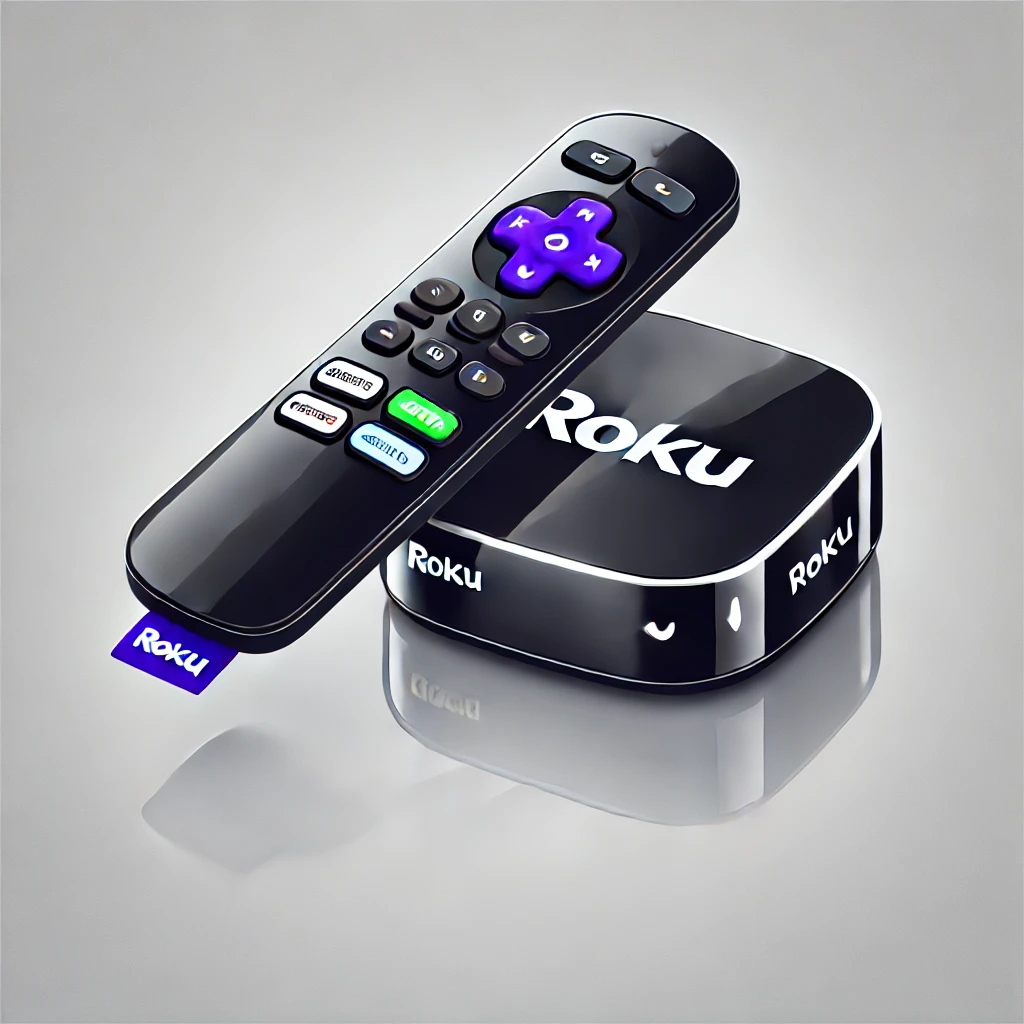
Yes, you can stream IPTV on Roku; but not the way most outdated guides describe. Roku has no native IPTV support and shut down its old “private channel code” system in February 2022, so today there are three working methods: installing an IPTV player from the official Channel Store, casting or mirroring from your phone, or sideloading an app through Developer Mode. All three need an active IPTV subscription from a reliable provider like Mode IPTV, and this guide walks through each method from easiest to most advanced.
Roku runs a closed operating system: unlike Android-based devices, you can’t freely install third-party apps, and there is no official Roku app from most IPTV providers. For years, the workaround was “private channels” — hidden apps added with a vanity code on Roku’s website (the famous iptvsmarters code). That system no longer exists. Roku permanently removed all non-certified channels in February 2022, and any guide still telling you to “Add Channel with a Code” is out of date: the codes simply fail.
What remains today:
A small selection of certified IPTV player apps that accept your M3U or Xtream Codes login.
Running the IPTV app on your phone or tablet and sending the picture to the Roku.
A technical, developer-oriented route with real limitations.
Once configured, any of these unlocks live channels and on-demand content on your Roku — but pick the method that matches your comfort level, and consider the practical and legal notes in Step 10 before you start.
| Method | Difficulty | Best for |
| Channel Store player app | Easy | Most users — everything stays on the Roku |
| Casting / mirroring from phone | Easy | Quick setup, occasional viewing, AirPlay users |
| Developer Mode sideload | Advanced | Technical users whose player isn’t in the store |
Start with the Channel Store. Only move down the list if the apps available in your region don’t work with your provider.
A note on app names: popular players from other platforms — TiviMate, IPTV Smarters Pro, GSE Smart IPTV — are built for Android and iOS and are generally not available on Roku. Don’t be misled by lookalike apps trading on those names; judge Roku apps on their own reviews, and be prepared for some to charge a small one-time or subscription fee for playlist features.
The login flow is similar across Roku IPTV players:
If no Channel Store app suits your provider, your phone can do the heavy lifting:
This method takes two minutes and requires nothing installed on the Roku itself, at the cost of tying up your phone while you watch.
For technical users, Roku’s Developer Mode allows installing one app package directly onto the device. Understand the trade-offs first: you must accept Roku’s SDK license agreement, the device can hold only one sideloaded app at a time (installing a new one removes the previous), and sideloaded apps can stop working after system updates. Only install packages from a source you fully trust — an unvetted package is a security risk.
If the upload page won’t load, re-check that the computer and Roku are on the same network and that you’re using the exact IP from the developer screen.
Roku’s closed ecosystem is the least IPTV-friendly of the major platforms. If IPTV is your primary use case, these devices offer far more flexibility:
The most popular IPTV device: inexpensive, widely supported, and allows direct installation of dedicated player apps that Roku will never carry.
The widest selection of IPTV players, including TiviMate and IPTV Smarters Pro, installed straight from the Play Store.
Polished IPTV apps in the App Store plus native AirPlay from iPhone and iPad.
Full Android TV app support, or simple casting from a phone.
If you’re buying a device specifically for IPTV, a Fire TV Stick or Android TV box will give you a smoother experience than working around Roku’s restrictions. If you already own a Roku, the methods above get the job done.
What matters is the provider and how its content is sourced. Choose a reliable IPTV service that operates transparently, offers real customer support, and accepts secure, traceable payment methods.
Developer Mode is officially intended for channel development; Roku can change or restrict it in system updates, and sideloaded apps carry no support or guarantees.
A sideloaded app runs on your home network — only use files from your own provider or another source you fully trust.
Roku will always be the compromise platform for IPTV. Performance varies with the app, your provider, and your Roku model — test everything during your provider’s free trial before committing to a long plan.
No. Roku has no native IPTV support and most major IPTV players don’t publish Roku versions. You’ll use a certified player from the Channel Store, casting/mirroring from a phone, or Developer Mode sideloading.
No. Roku permanently removed all non-certified (private) channels in February 2022, so vanity codes like iptvsmarters no longer function. Guides recommending them are outdated.
You need a compatible device, an active IPTV subscription, and a reliable provider. Follow the setup guide for your specific device, and evaluate channel selection, streaming quality, and the provider’s legitimacy before subscribing.
Android TV and Google TV devices, Amazon Fire TV Stick, Apple TV, smart TVs, computers, tablets, and smartphones — most with easy-to-use apps. Roku works too, using the methods in this guide, but with more limitations than other platforms.
Yes — mainstream streaming apps install in seconds from the Roku Channel Store: browse or search, select the app, and click Add Channel. The extra steps in this guide apply specifically to IPTV players, which Roku’s store carries only in limited form.
Generally no. Fire TV and Android TV support dedicated players like TiviMate and IPTV Smarters Pro with full EPG and customization. Roku works, but with fewer app choices and more setup friction — if IPTV is your main use, a Fire TV Stick is the better purchase.
Streaming IPTV on Roku is entirely possible in 2026 — it just takes the right method. Skip the outdated private-channel codes (dead since February 2022), start with a certified player from the Channel Store, fall back to AirPlay or screen mirroring from your phone, and reserve Developer Mode sideloading for technical users who understand its one-app limit and security caveats. Whichever route you choose, the foundation matters more than the device: a reputable provider with stable servers, transparent payment, and a free trial determines your experience far more than the streaming stick does. Test your setup during the trial, organize your favourites, hardwire the connection if you can — and if you find yourself fighting Roku’s restrictions, an inexpensive Fire TV or Android TV device turns IPTV from a workaround into a first-class experience.
What are the best Free IPTV Apps?
How to Set Up IPTV for Beginners
How to Install IPTV on Fire Stick
How to Set Up IPTV on Android TV?
How to Install IPTV on Google TV?
Premium IPTV subscription built for Canadian viewers