
 Written by Rana
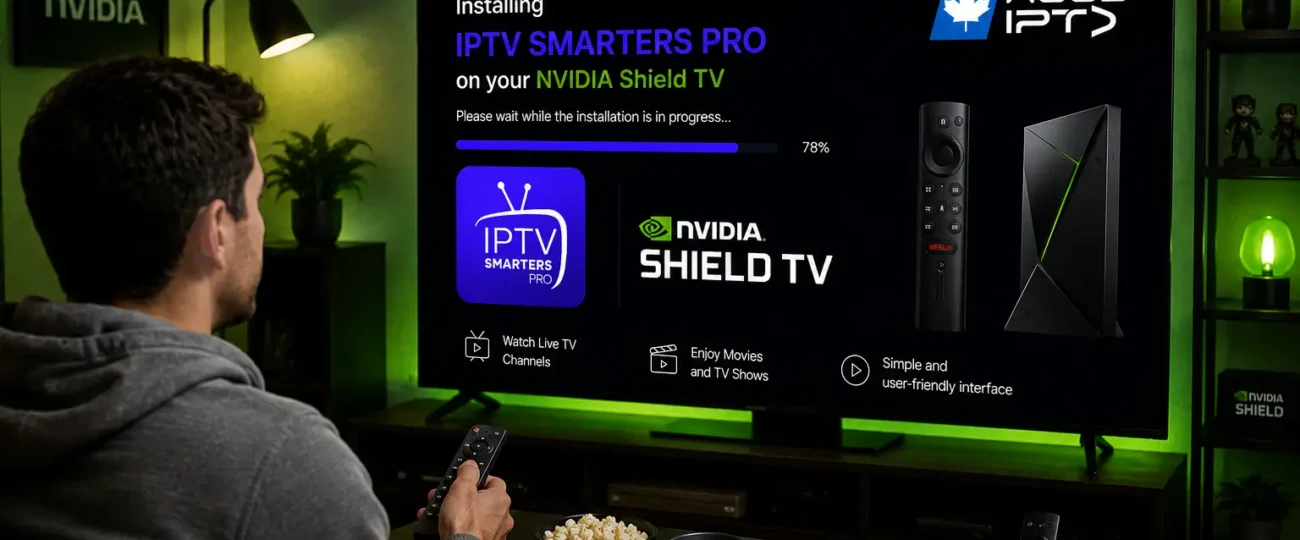
To get IPTV on NVIDIA Shield TV, connect the device to the internet, open the Google Play Store, install a compatible IPTV player app, open it, then enter your subscription login or M3U playlist to start watching. Because the Shield runs Android TV with full Google Play access, there is no sideloading required, and the whole setup takes only a few minutes.
With a dependable IPTV Subscription from a trusted provider, the powerful Shield hardware delivers smooth, high-quality streaming with fast channel loading. This clear, step-by-step guide walks you through the entire process of setting up IPTV on your NVIDIA Shield TV, even if you have never installed a streaming app before.
Start by making sure your NVIDIA Shield TV is updated and connected to a stable internet connection. The Shield is one of the most powerful streaming devices available, but IPTV still depends on a steady, uninterrupted data stream, so the connection matters most.
Checking this first prevents buffering problems later and saves you from troubleshooting after setup. The Shield supports both Wi-Fi and wired Ethernet, and a wired link is by far the most stable choice for high-resolution streaming. A quick system update and a restart ensure everything runs smoothly before you begin the installation.
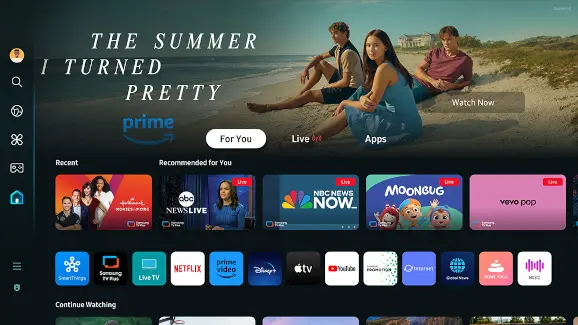
1- Power on the Shield and reach the Android TV home screen.
2- Connect to Wi-Fi or, ideally, a wired Ethernet cable.
3- Confirm your speed is at least 15 to 25 Mbps for HD.
4- Open Settings and install any pending Shield updates.
5- Restart the Shield once if it feels slow.
Next, make sure you have an active subscription and your login details on hand, since the app needs them to load your channels. A reliable provider sends you either an M3U playlist link or Xtream Codes credentials by email after sign-up.
Having these ready before you start keeps the setup quick and uninterrupted. The quality of the provider matters more than the device, because even a powerful Shield will buffer with a weak service. Keep the credentials somewhere easy to access during setup.
1- Choose a trusted provider with stable servers and clear terms.
2- Complete your subscription and open the confirmation email.
3- Locate your M3U URL or username, password, and server.
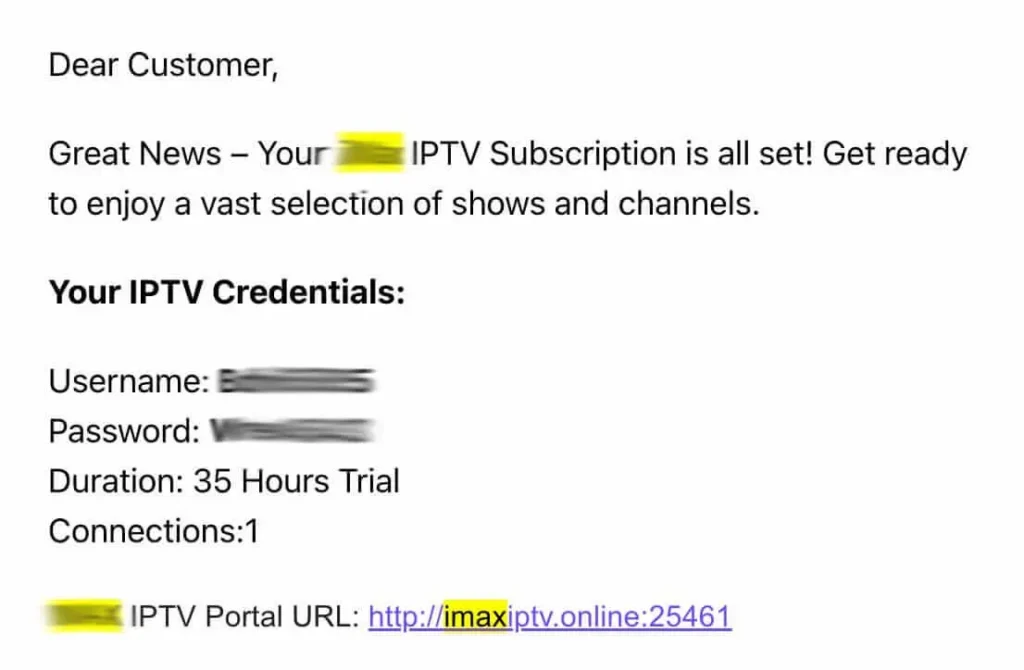
4- Save the details on your phone or write them down clearly.
5- Check the spam folder if the email does not arrive quickly.
Now open the Google Play Store, which comes built into every NVIDIA Shield TV. This is the safest place to install an IPTV player, because apps there are checked before they appear.
Unlike some streaming devices, the Shield has full Play Store access, so no sideloading is needed for most players. The Play Store icon is on the Android TV home screen. Spending a moment to locate it makes the next step faster.
1- Press the Home button on your Shield remote.
2- Find the Google Play Store icon on the home screen.
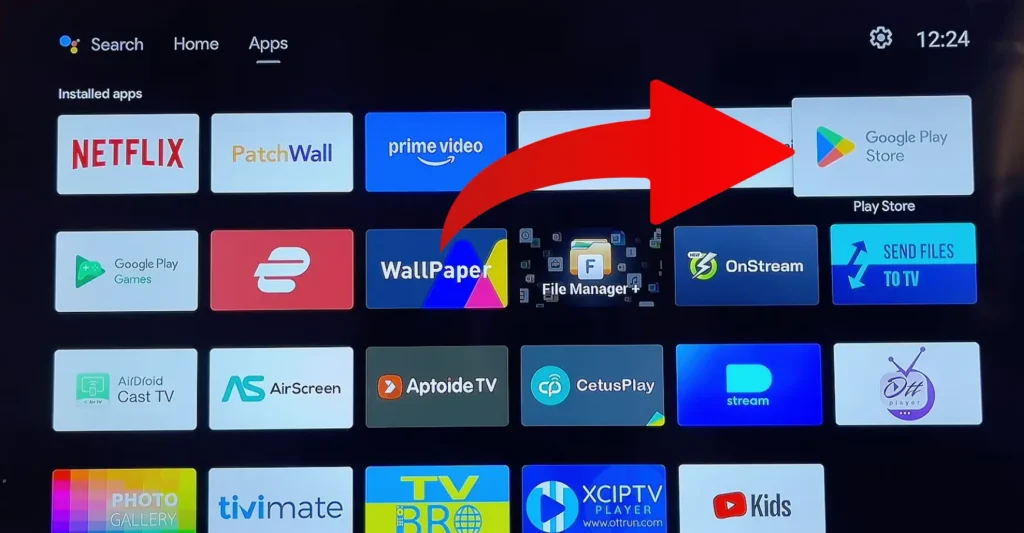
3- Open it and sign in with your Google account if needed.
5- Wait for the store to fully load all categories.
6- Keep the store open for the search step.
This is the key step: find a compatible IPTV player in the Play Store and install it on your Shield. The Shield runs Android TV, so most popular IPTV player apps are fully supported and well optimized for the remote control.
Choosing a well-known, stable player gives you the smoothest experience and the fewest issues over time. It also helps to confirm with your provider which app they officially recommend, since some players work better with certain services and login methods. Install only from the official Play Store to stay safe and avoid unverified versions.
1- Open the search bar inside the Google Play Store.
2- Type the name of a known IPTV player recommended by your provider, or pick one from our list of best free IPTV apps.
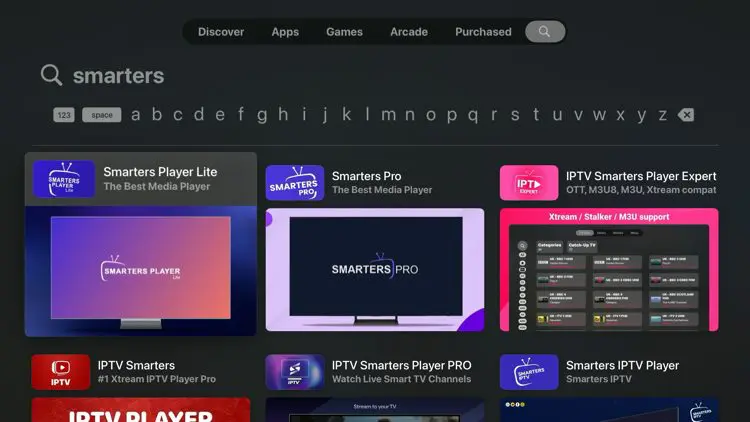
3- Select the correct app from the official search results.
4- Press Install and wait for the download to finish.
5- Avoid unofficial apps or links from outside the store.
After installation, open the app and connect it to your subscription using your login details or M3U playlist. The app itself includes no channels; it only plays the content from your provider.
You can sign in with Xtream Codes or an M3U URL, depending on what your provider sent you. Entering the details exactly as provided avoids login errors and empty channel lists. Once the details are correct, the app loads your full lineup automatically.
1- Return to the home screen and open the installed IPTV app.
2- Accept the terms of use, and choose your device to reach the main screen.
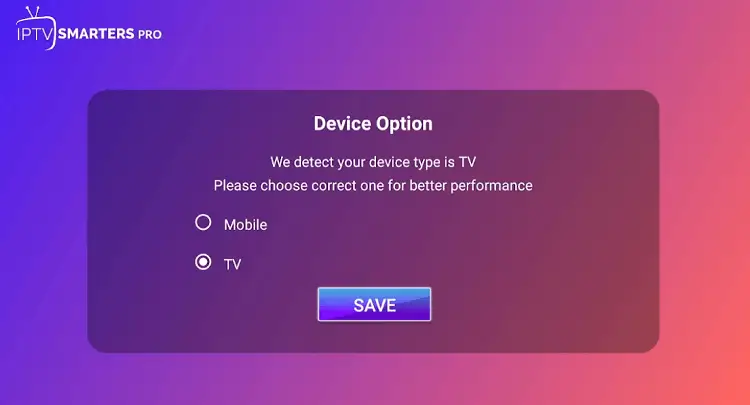
3- Choose Login with Xtream Codes API or M3U URL.
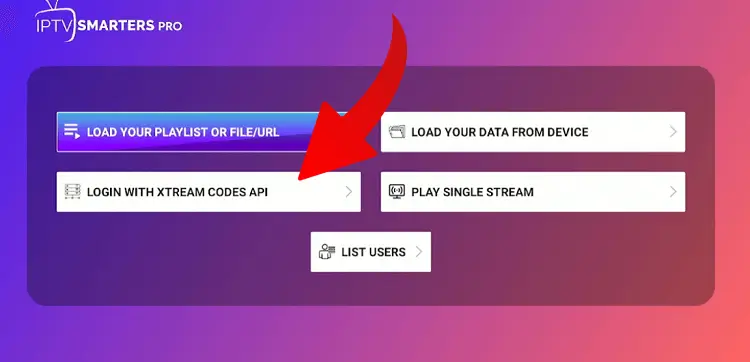
4- Enter your username, password, and server details exactly.
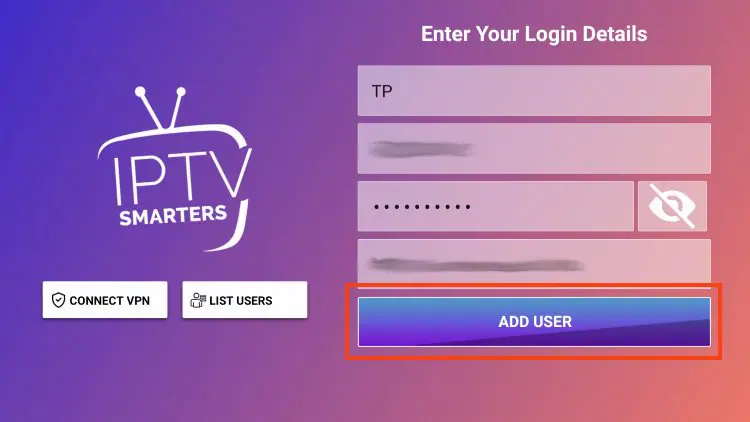
5- Submit and wait for your channels to load.
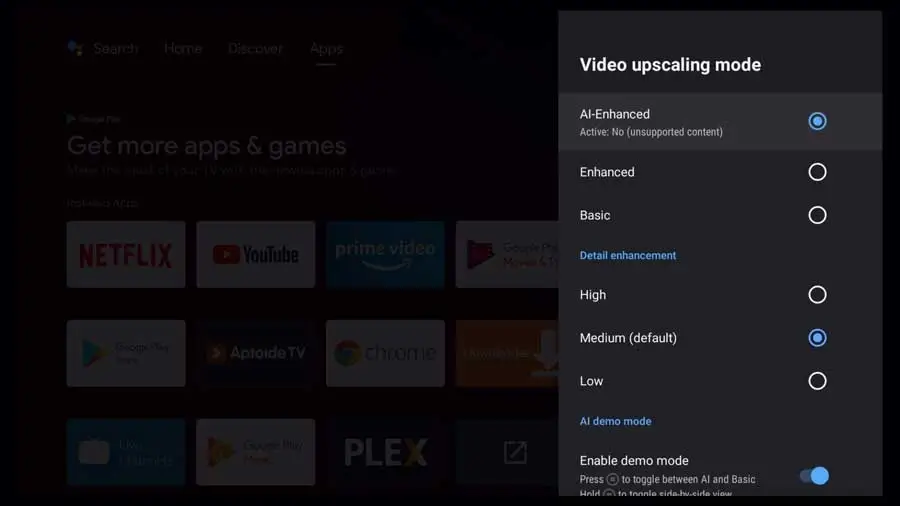
Once connected, let the app load your channels, then take advantage of the Shield’s powerful settings for the best possible picture. The first load may take a moment while the full channel list and program guide download in the background. The Shield’s strong hardware and AI upscaling can noticeably sharpen lower-quality streams, which is one of the main reasons it is a favourite for IPTV.
You can review what the NVIDIA Shield TV offers in terms of performance and AI enhancement to get the most from these features. Setting the right streaming quality for your connection also prevents buffering during busy hours, and organizing favorites now makes daily viewing much faster later.
1- Wait for the full channel list and guide to finish loading.
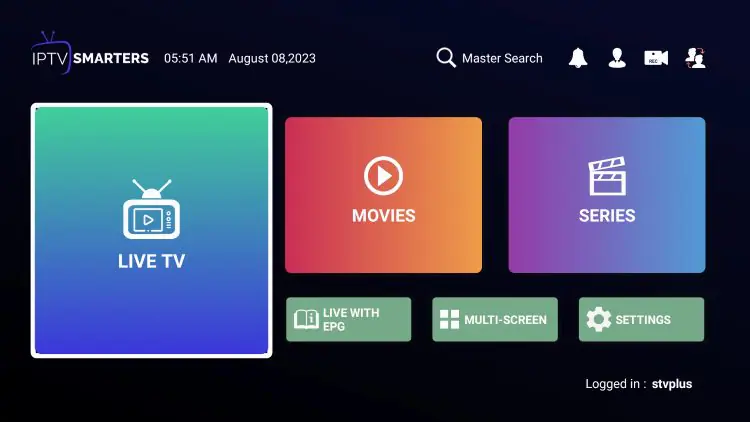
2- Browse the categories to confirm the channels appear.
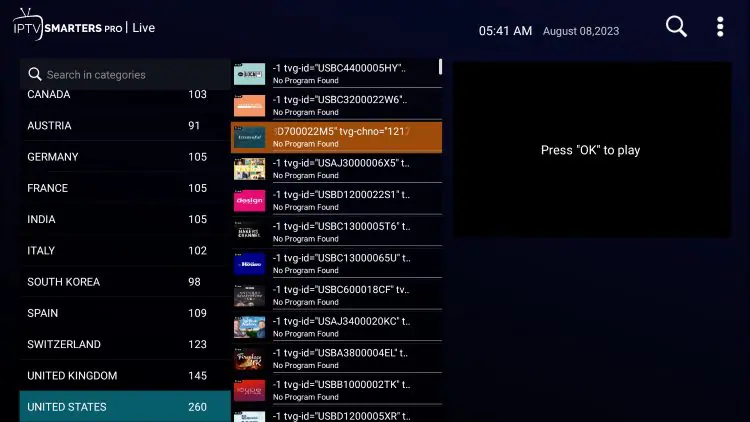
3- Set the streaming quality to match your internet speed.
4- Enable AI upscaling in Shield settings for sharper video.
5- Add favourite channels for quicker access in the future.
Finally, start watching and apply a few quick checks if something does not work right away. Most early problems come from the connection or login details rather than the Shield itself, which is one of the most capable streaming devices available.
Knowing these simple fixes helps you solve issues in under a minute. A wired connection and the right quality settings prevent the large majority of buffering. For a broader overview that covers other Android TV devices too, see our general Android TV setup guide.
A few simple habits keep IPTV running smoothly on a Shield over the long term. A stable connection and an updated app make the biggest difference in everyday viewing quality, far more than any single hidden setting.
Keeping the device clean and fully updated also helps the app load faster and reduces glitches over time. These small routines take only seconds each but prevent most of the common frustrations people run into after a few weeks of regular use.
No, the Shield has full Google Play Store access, so most IPTV players install directly. Sideloading is only needed for apps not listed in the store.
The Shield has powerful hardware, AI upscaling, and full Android TV support, which means smooth playback, fast channel loading, and sharper picture quality.
Use a stable IPTV player available on the Google Play Store and recommended by your provider. Always install from the official store, not outside links.
This is usually a login or playlist error. Recheck your Xtream Codes or M3U details and confirm your subscription is still active.
Yes, the Shield’s AI upscaling can sharpen lower-resolution streams, and its strong hardware reduces lag and buffering compared with basic devices.
Yes, the app is only a player and includes no channels. You need an active subscription that provides your login or M3U playlist.
Both work, but a wired Ethernet connection is more stable and reduces buffering, especially during peak hours or high-resolution streaming.
Getting IPTV on NVIDIA Shield TV is a quick and simple process: prepare your connection, get your subscription details, open the Google Play Store, install a compatible player, enter your login or M3U, load the channels, and start watching.
Because the Shield runs full Android TV with native Play Store access, there is no sideloading, and almost all early issues come down to connection speed or login details, which are easy to fix with a quick check.
The device itself is rarely the problem, so a stable connection and a reliable provider matter most. With these clear steps, the powerful Shield turns into a complete entertainment hub, delivering one of the smoothest and sharpest IPTV experiences available on the big screen.
Premium IPTV subscription built for Canadian viewers